The Ten Essentials: What to Carry for Every Outdoor Trip

When you head into natural places — from short hikes to multi-day trips — preparation isn’t optional. Being ready with the right gear helps you handle changeable weather, navigation challenges, minor injuries, and unforeseen delays without relying on others or increasing your impact on the landscape.

The Ten Essentials aren’t a shopping list of optional gadgets; they represent fundamental systems of preparedness that experienced hikers, climbers, and outdoor professionals have relied on for generations. Carrying these items reduces unnecessary stops, keeps you safer, and helps you protect the places you love.

What the Ten Essentials Are

The Ten Essentials are grouped into key functions rather than just isolated items. Depending on the length, remoteness, and difficulty of your trip, you’ll choose specific gear that fits these categories. While some trips, like a neighborhood bike ride, may not require all 10 essentials, these systems should all be considered during your trip planning:

  1. Navigation
    Know where you are and where you’re heading. Carry a map and compass, and consider backup tools like a GPS device or altimeter when the terrain is complex or unfamiliar. Always have a non-electronic option in case batteries fail.
  2. Light
    A headlamp or flashlight with extra batteries ensures you can see your route or campsite after dark. Even unexpected setbacks can stretch your day beyond what you planned.
  3. Sun Protection
    The sun can be harsher at elevation or near water and snow. Sunglasses, sunscreen, and sun-protective clothing help prevent burns and heat stress.
  4. First Aid
    Accidents happen. A basic first-aid kit with supplies for blisters, cuts, sprains, and common outdoor ailments helps you manage small problems before they become big ones.
  5. Tools/Knife + Repair Supplies
    A multi-tool or knife and simple repair items like cordage or tape let you fix gear, cut food packaging, or improvise solutions on the trail.
  6. Fire-Starting
    Fire can provide warmth, boil water, or serve as a signal in an emergency. Carry matches, a lighter, or another reliable starter, plus tinder if conditions are wet.
  7. Shelter
    Even if you’re not planning to sleep out, include an emergency shelter, such as a lightweight tarp, bivy, or reflective blanket, to protect you from wind and rain.
  8. Extra Food
    Unexpected delays happen; weather changes, route finding takes longer than expected, or someone in your group needs extra calories. Pack more food than you think you’ll need.
  9. Extra Water + Treatment
    Staying hydrated is essential. Carry enough water to meet your needs, and be able to treat additional water if you refill from streams or springs.
  10. Extra Clothing
    Weather can shift rapidly. Layered clothing and rain protection let you adapt without having to return to your starting point or make unplanned stops.

Packing for Safety and Stewardship

The Ten Essentials help you be resilient if things don’t go exactly to plan. Prepared adventurers are less likely to need rescue, avoid unnecessary stops that can increase environmental impact, and are better equipped to enjoy the outdoors responsibly.

Carry each category in a way that fits your trip, tailor your kit for a short afternoon hike differently than for a weeklong trek, but make sure nothing important gets left behind.

Leave No Trace Mindset & Beyond

Being well-prepared supports Leave No Trace ethics. When you plan ahead, choose reliable gear, and expect change, you reduce the chances of:

  • Unplanned campfires because you lacked a stove.
  • Trail widening or shortcuts because you missed a turn.
  • Improvised waste solutions because you didn’t carry proper disposal gear.

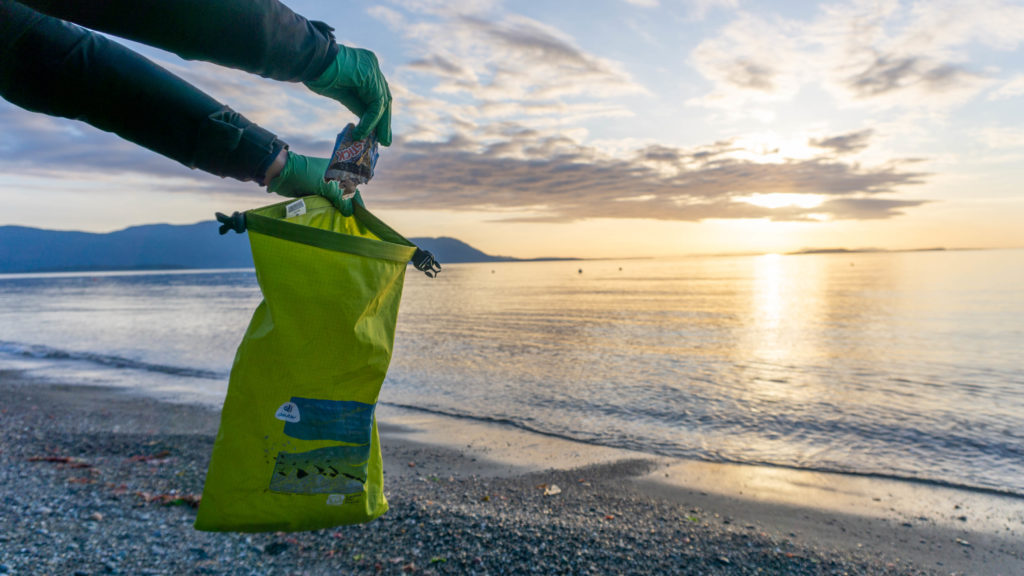
Consider adding tools to pack out trash, manage greywater, and dispose of waste properly so you’re prepared for all aspects of outdoor travel without increasing your impact.
Tips for Using the Ten Essentials

Being well-prepared supports Leave No Trace ethics. When you plan ahead, choose reliable gear, and expect change, you reduce the chances of:

  • Check conditions before you go — weather, trail status, and water availability affect what you’ll carry.
  • Practice with your gear — know how to use a map and compass, your water treatment or filtration system, or how to start a fire before you need to rely on them.
  • Customize for your trip — high mountains, desert terrain, and forest valleys all demand different choices within the same essential systems.
Earth Month graphic

Commit to learning, practicing, and sharing Leave No Trace this April. It takes 30 seconds and helps protect the places you love.

Care for the Outdoors?
Start Here.

Join our email list for Leave No Trace tips, research, and ways to put outdoor ethics into action—on the trail, at camp, and beyond.