By Caroline Nickerson, PhD, Sarah Newman, and Elise Robinson
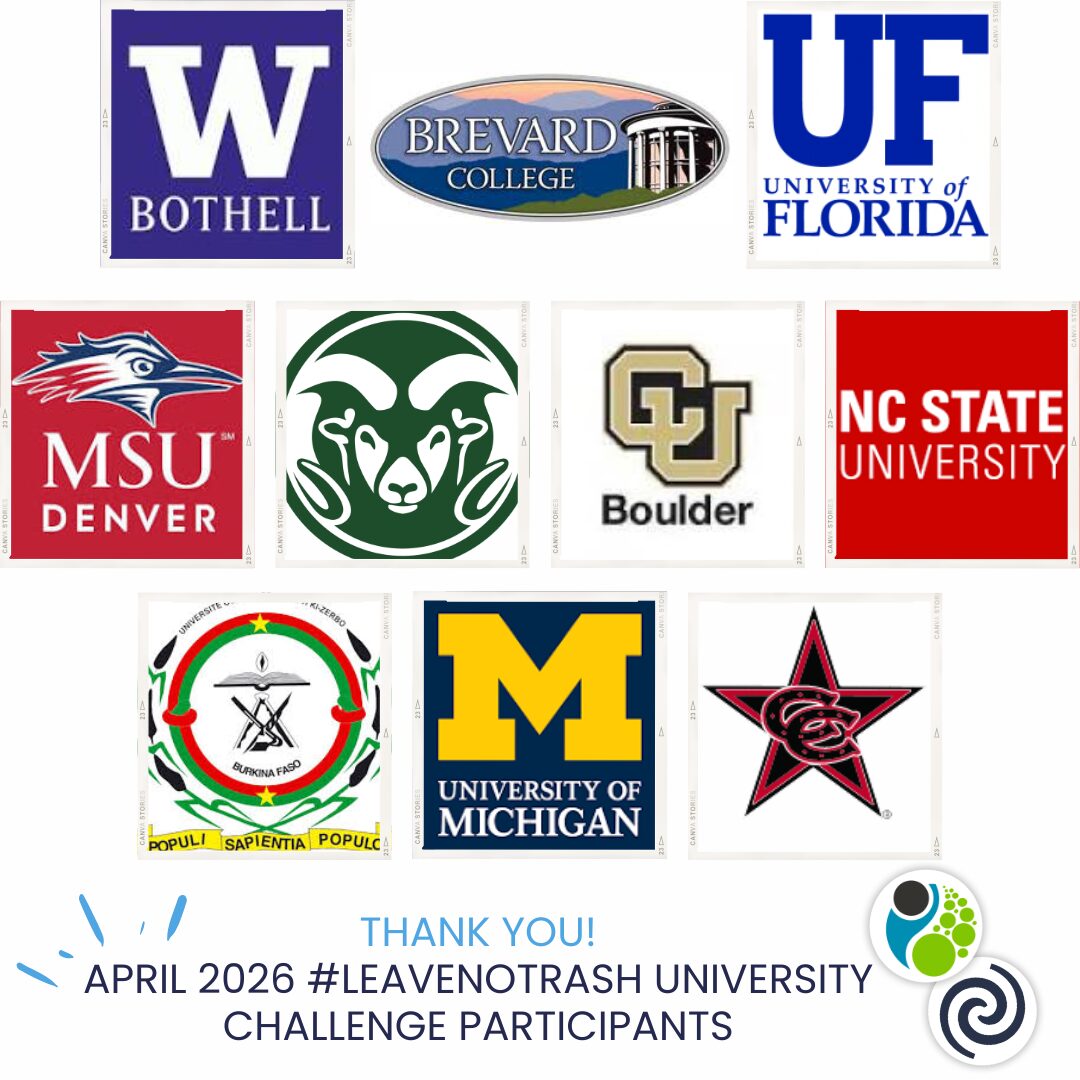
This year’s #LeaveNoTrash University Challenge, hosted by CitSci and Leave No Trace, brought people together across campuses, communities, and countries to reduce litter, practice outdoor stewardship, and contribute to sustainability research.
About the Challenge
The Leave No Trash University Challenge is a student-centered spinoff of the broader Leave No Trace Leave No Trash campaign. This week-long event is designed to build a community of people who recognize the 7 Principles and apply them wherever people live, work, and play, including college campuses and surrounding communities.
This year’s Cleanup Week took place April 18–26, 2026, during Citizen Science Month, connecting campus cleanups to the broader #ActsOfScience movement led by SciStarter, one of the world’s largest citizen science databases.
Thank you to everyone who joined this year’s #LeaveNoTrash University Challenge and helped make it a success.
Want to join the mission next year? Join the CitSci project page to stay in the loop for next April: citsci.org/projects/-leavenotrash-university-challenge
You can also participate in the main Leave No Trash project anytime: citsci.org/projects/leave-no-trash
Planning a campus cleanup? Check out our comprehensive guide: blog.citsci.org/wp-content/uploads/2026/02/leavenotrash-uc-quick-guide.pdf
And finally, what you have been waiting for, drum roll please…we crunched the numbers and have our results!
Results
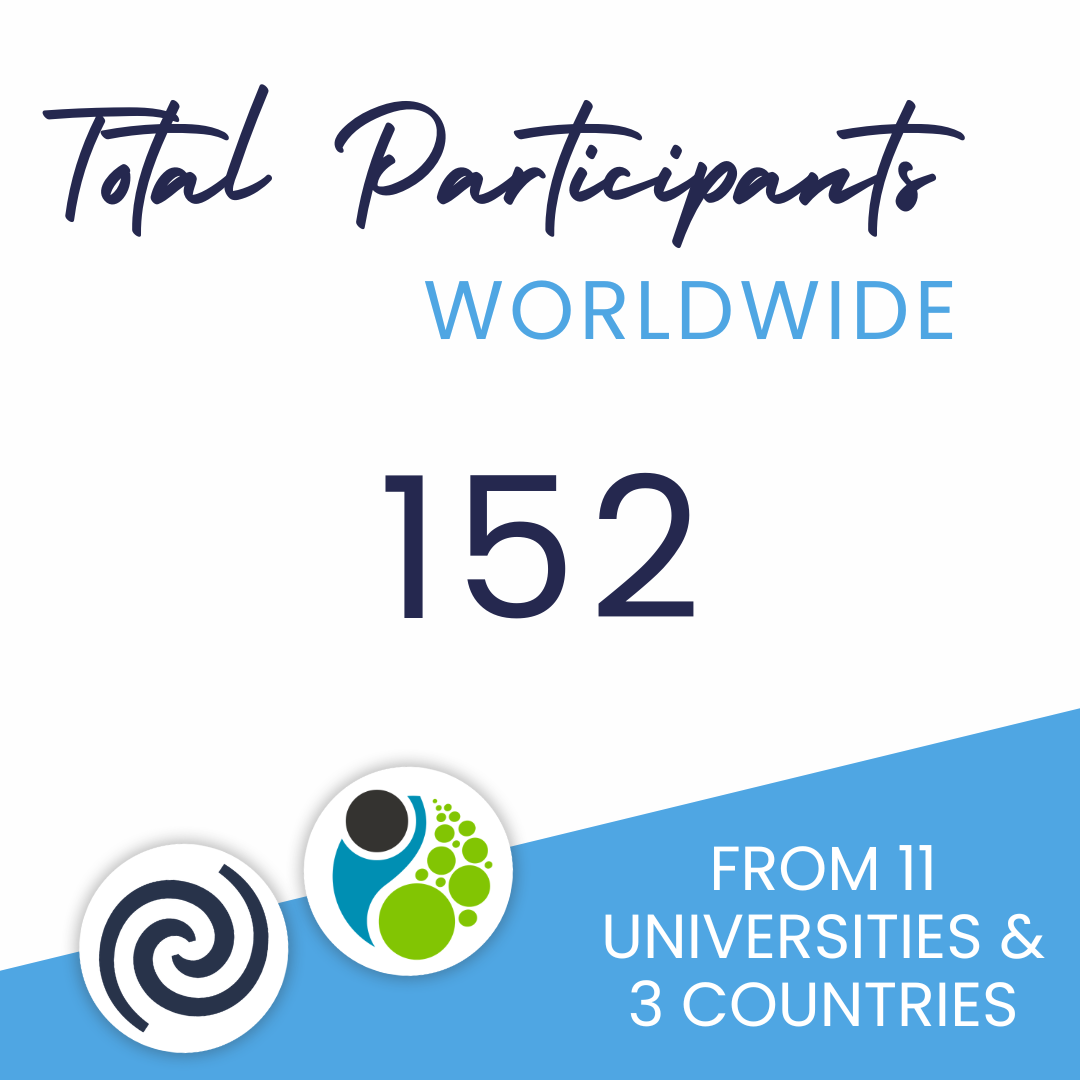
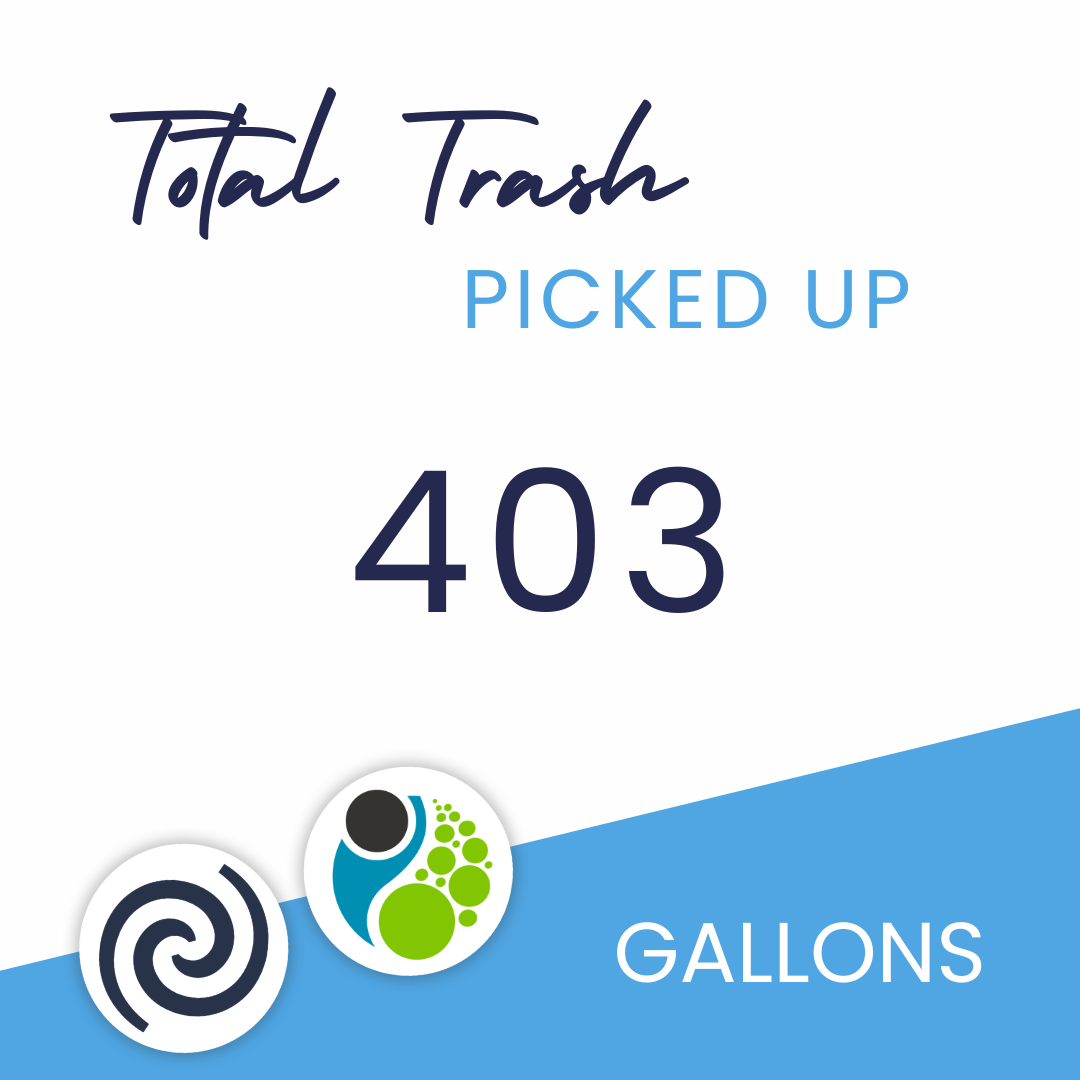
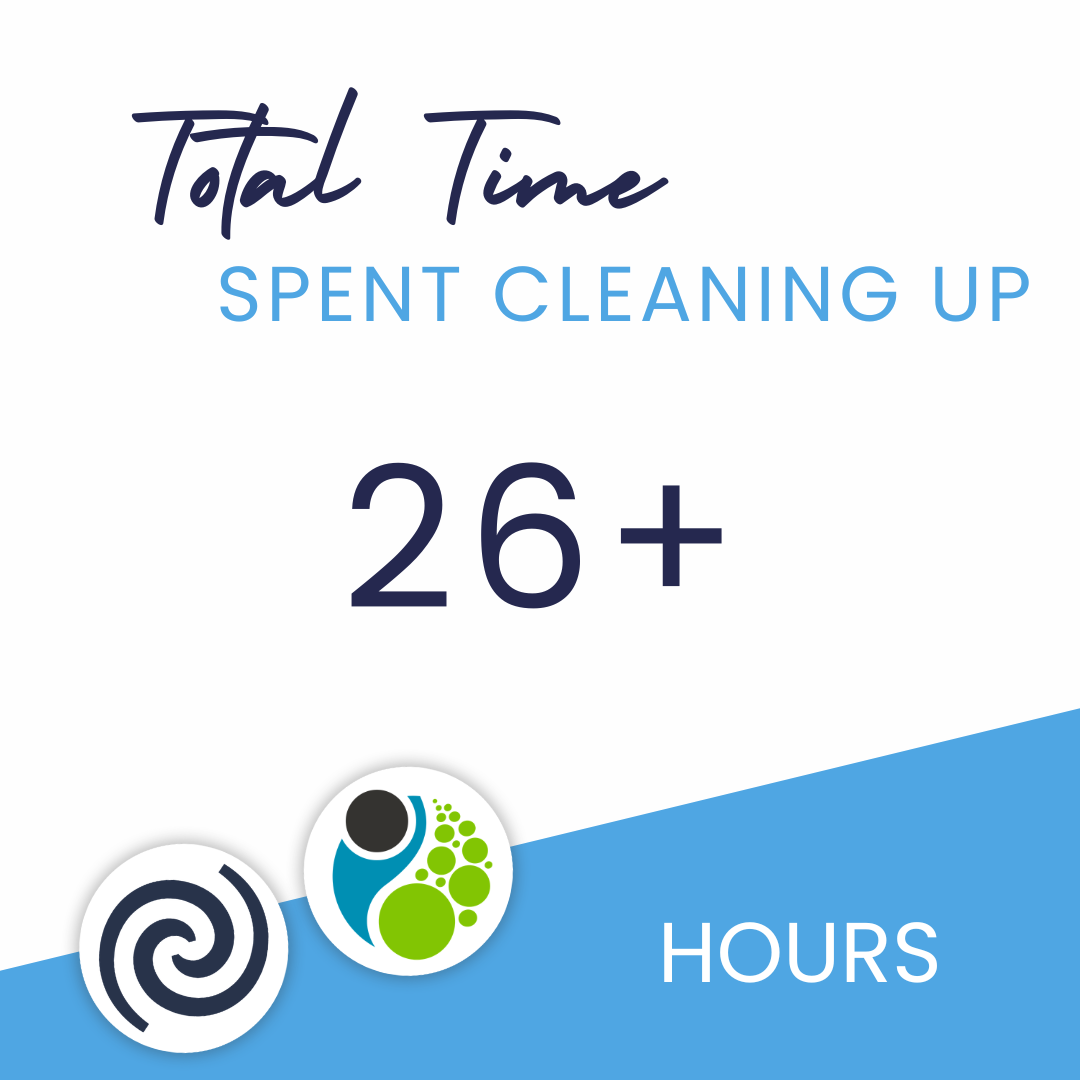
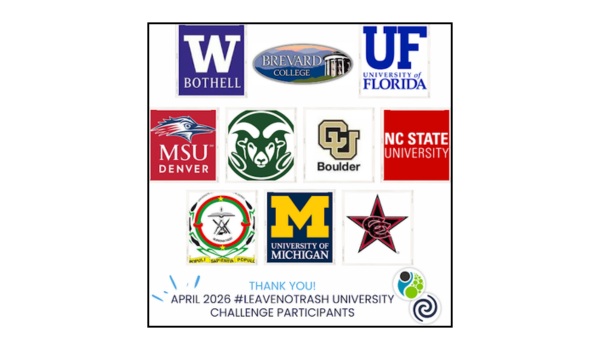
Across 11 universities and 3 countries, 152 participants spent more than 26 hours cleaning up their campus communities and collected 403 gallons of trash.
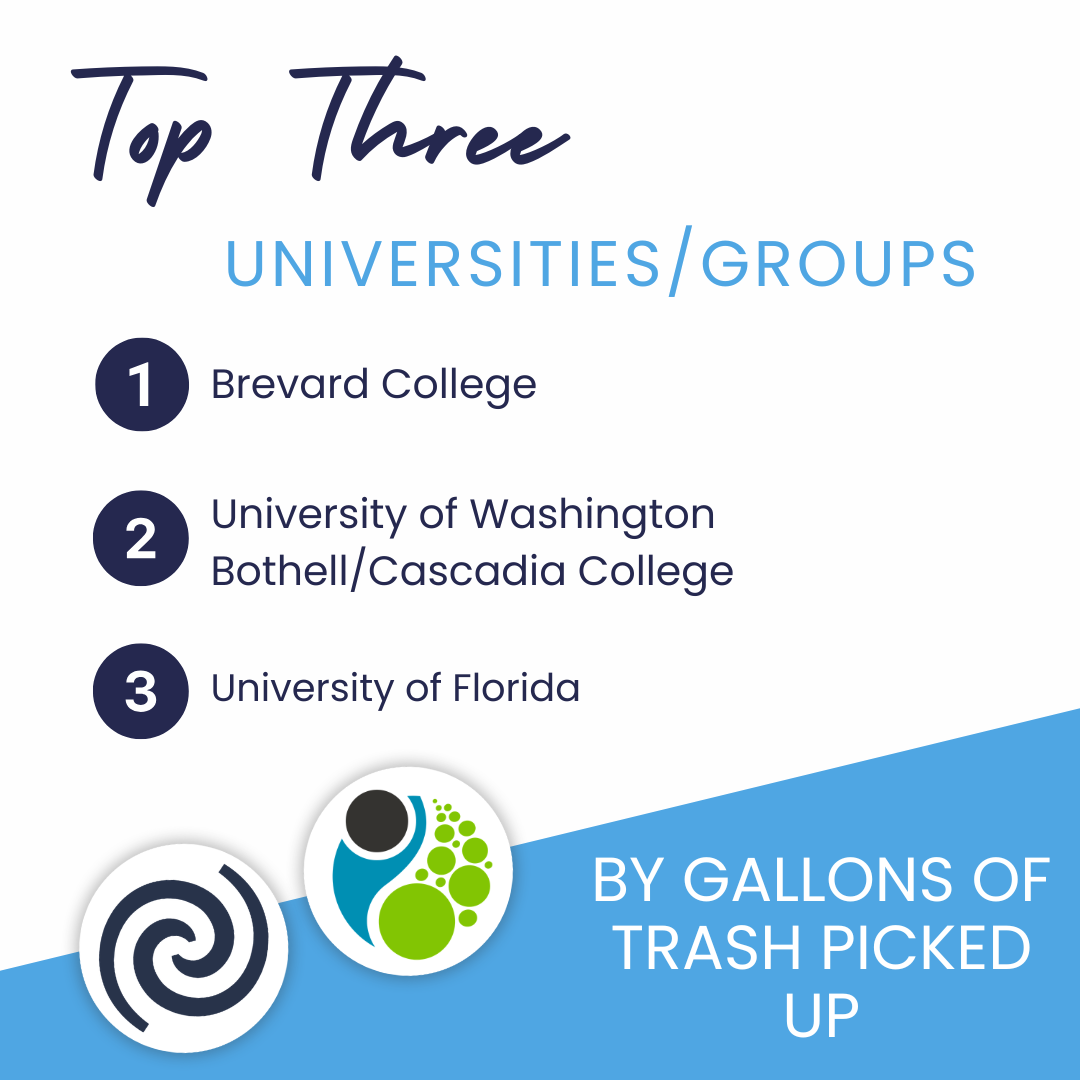
The top three universities and groups by gallons of trash collected were:
- Brevard College
- University of Washington Bothell / Cascadia College
- University of Florida
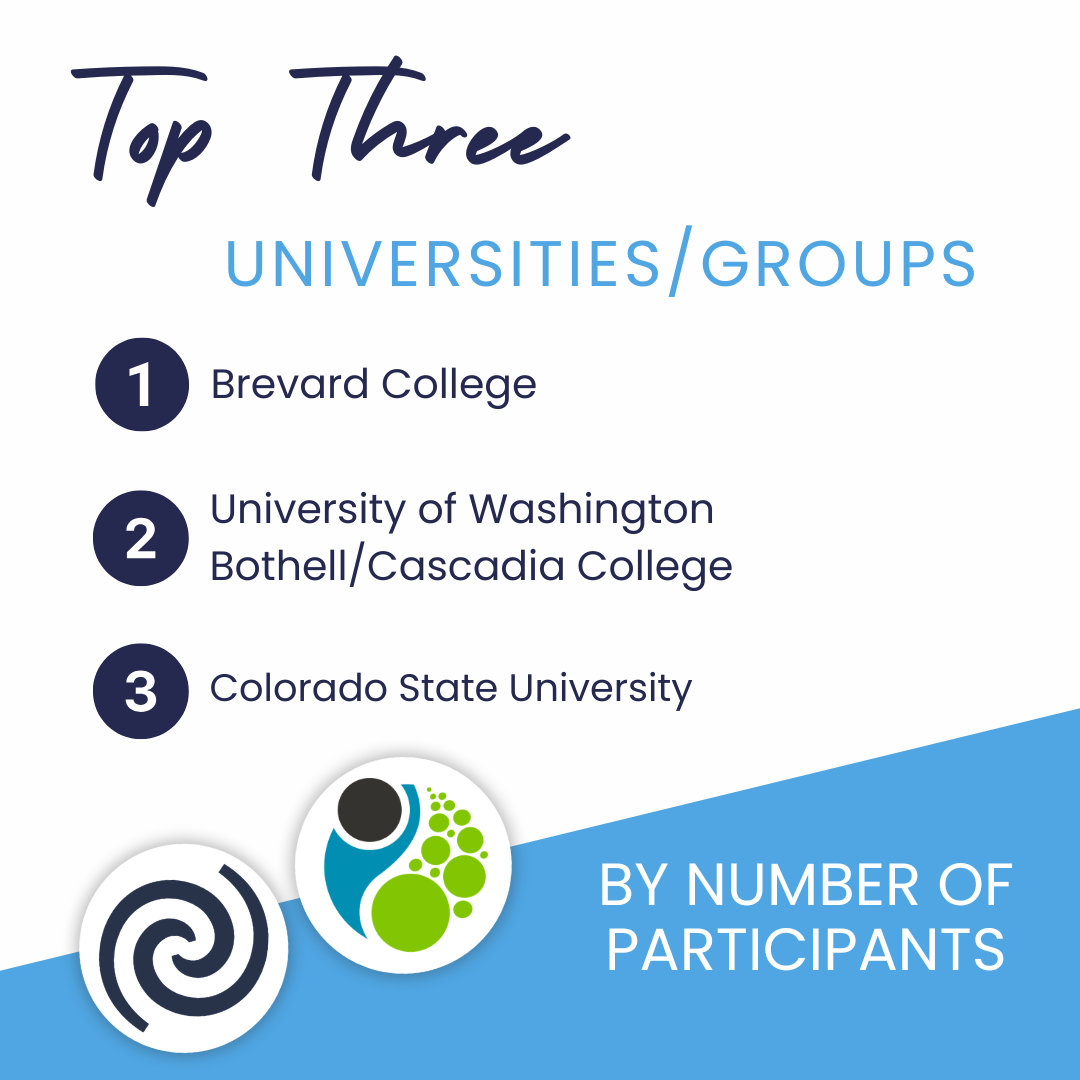
The top three universities and groups by number of participants were:
- Brevard College
- University of Washington Bothell / Cascadia College
- Colorado State University
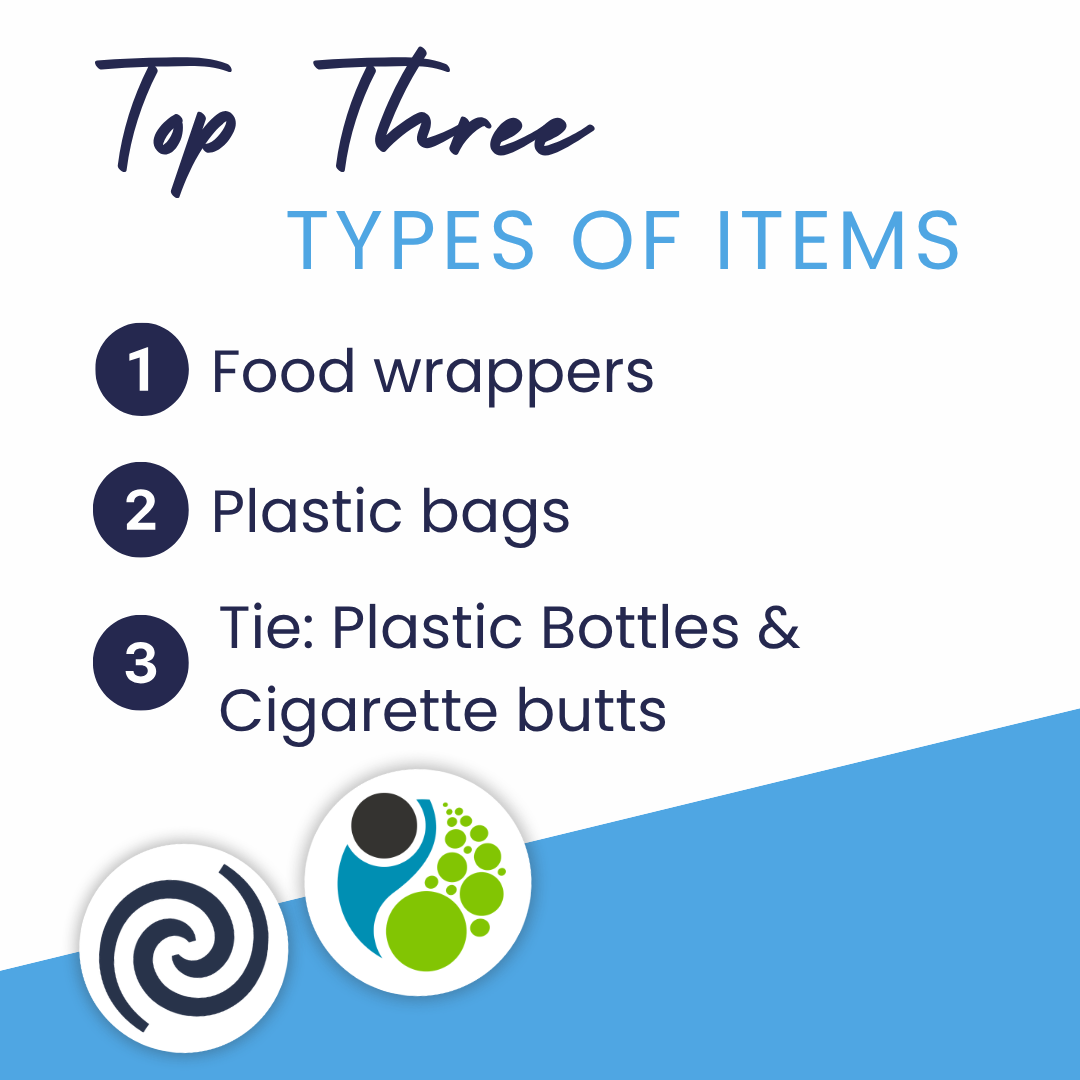
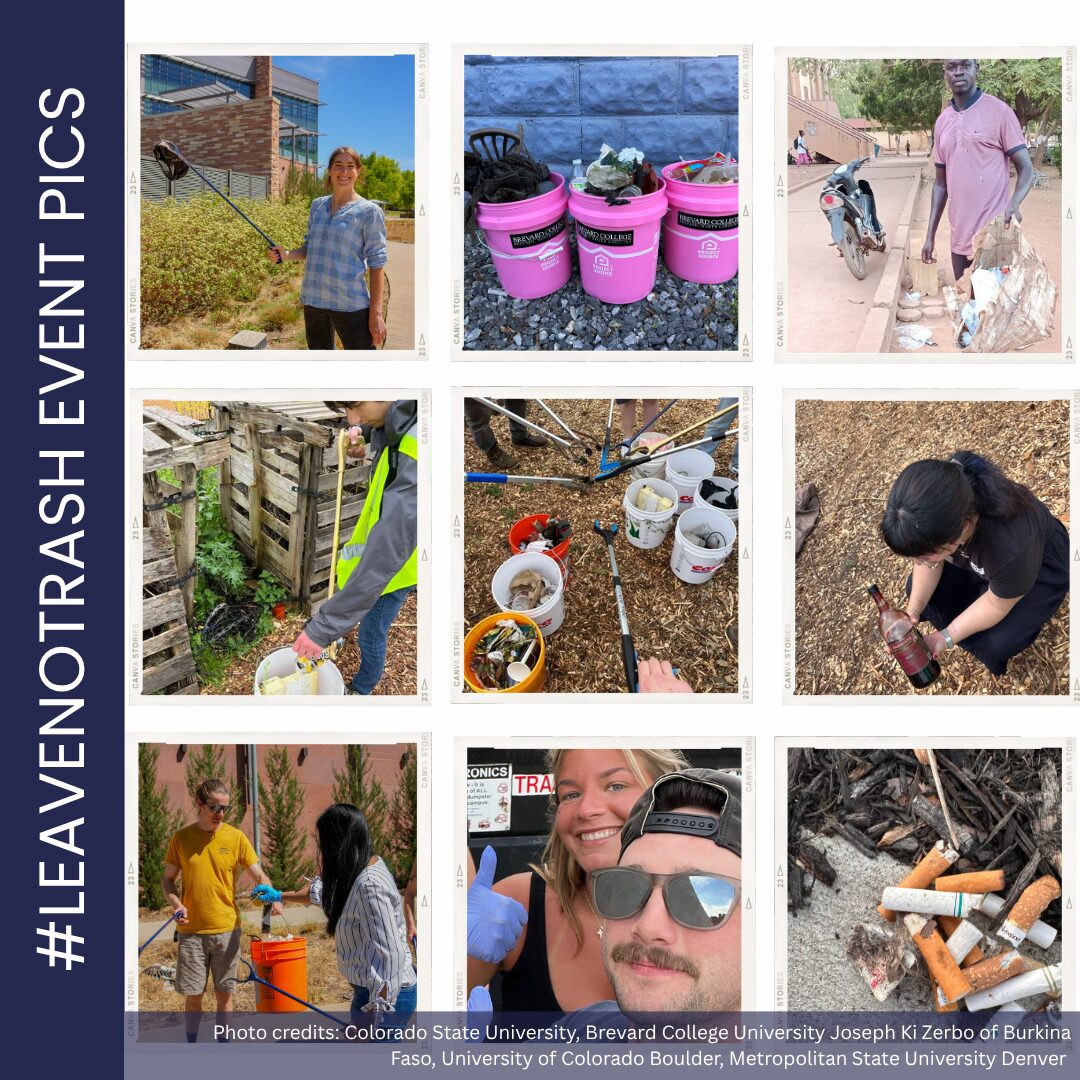
Participants also recorded what they found. The most common items collected were food wrappers, plastic bags, and a tie between plastic bottles and cigarette butts. These observations help show not only how much trash was removed, but also what kinds of waste are most visible in campus and community spaces.
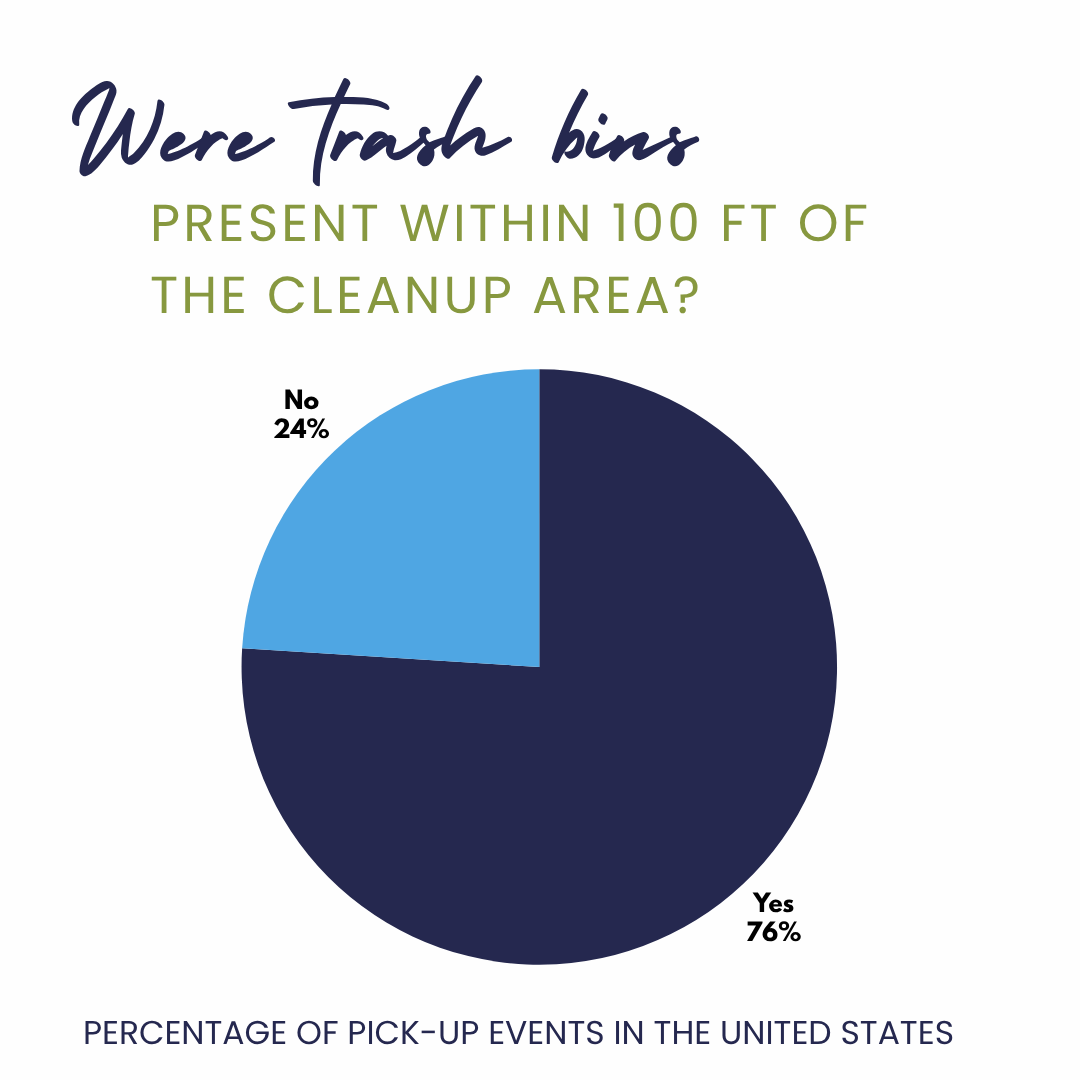
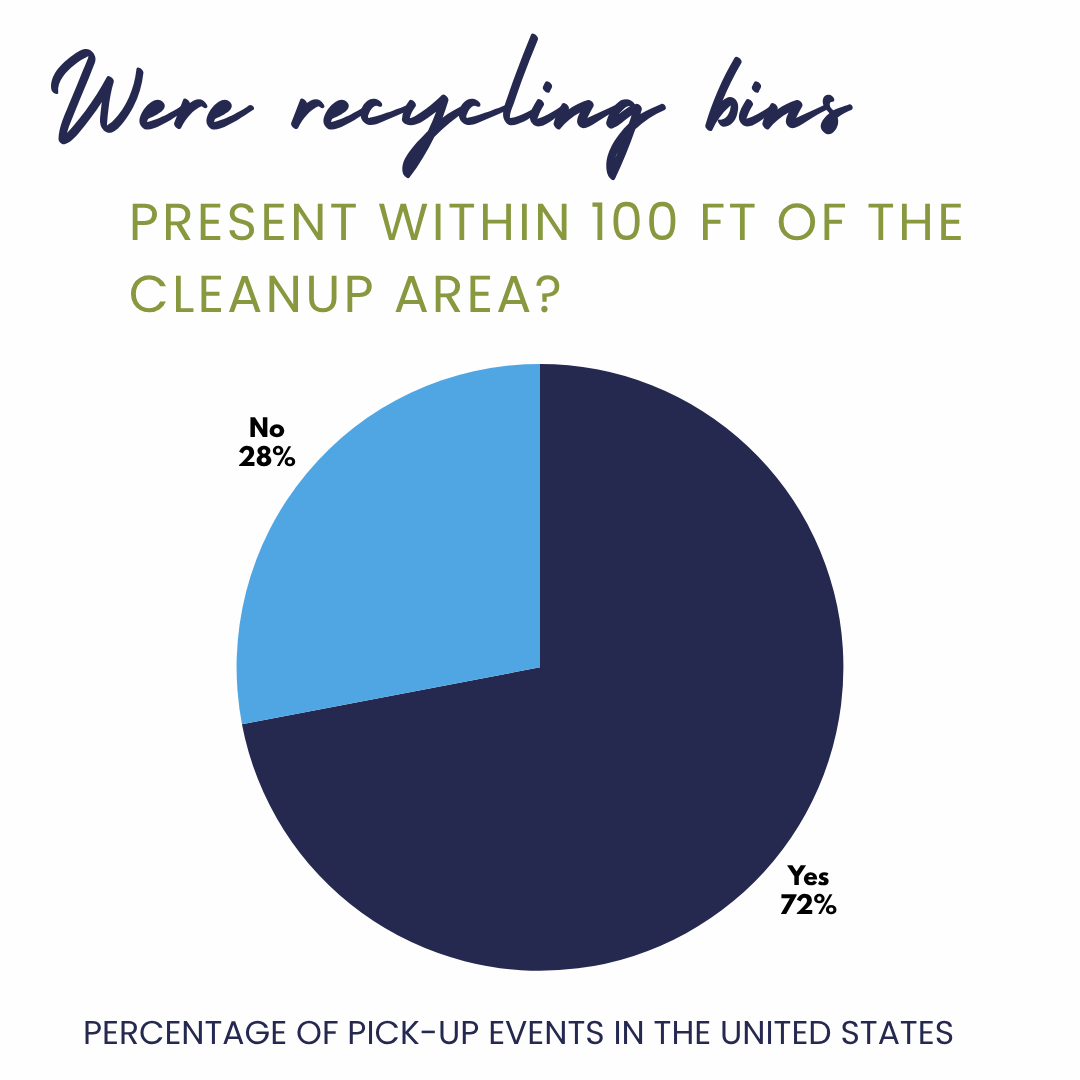
The Challenge also gathered information about nearby waste infrastructure. At U.S. cleanup events, 76% of participants reported that trash bins were present within 100 feet of the cleanup area, while 72% reported that recycling bins were present within 100 feet. These details can help campuses and communities think about where bins are available, how visible they are, and what additional support may help prevent litter in the first place.
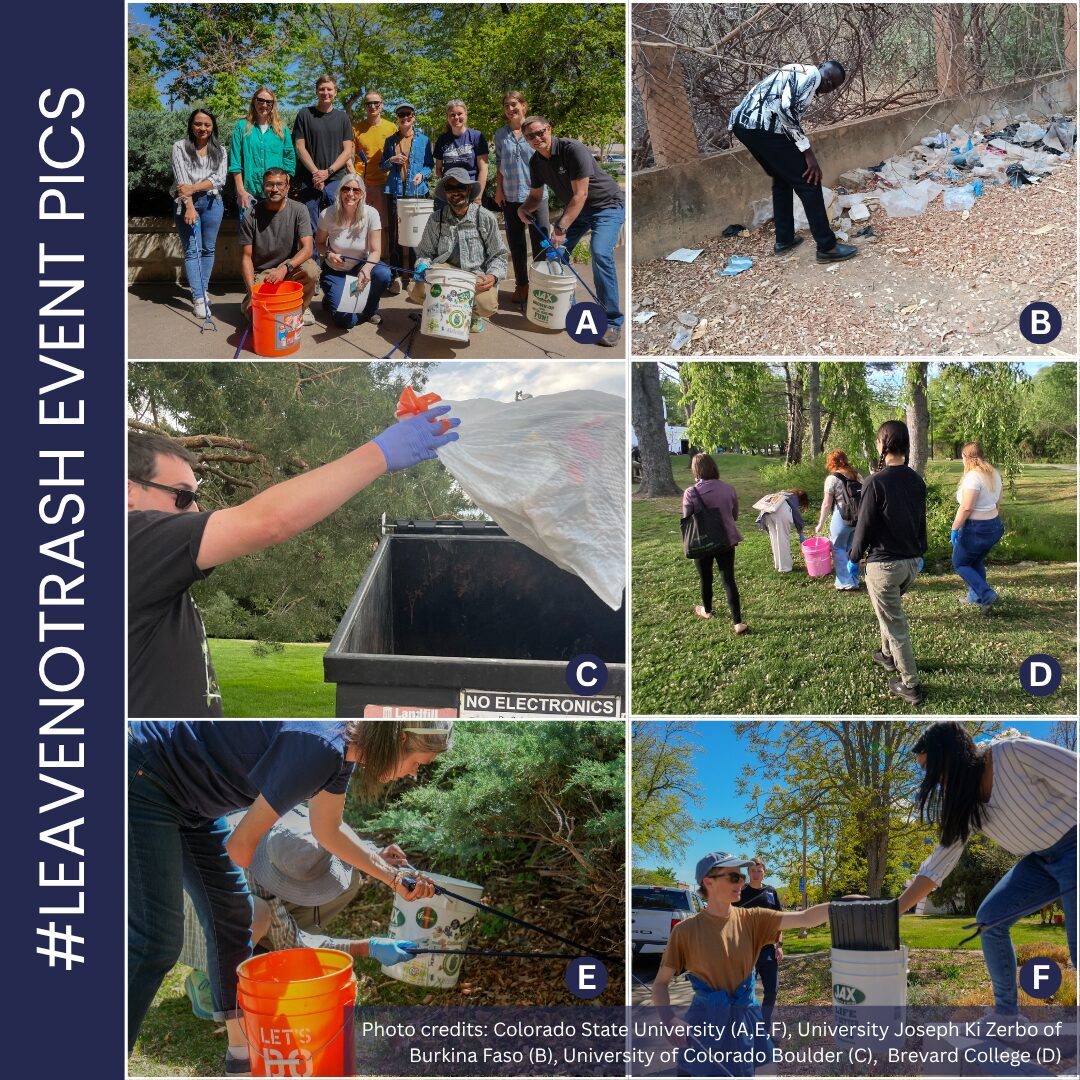
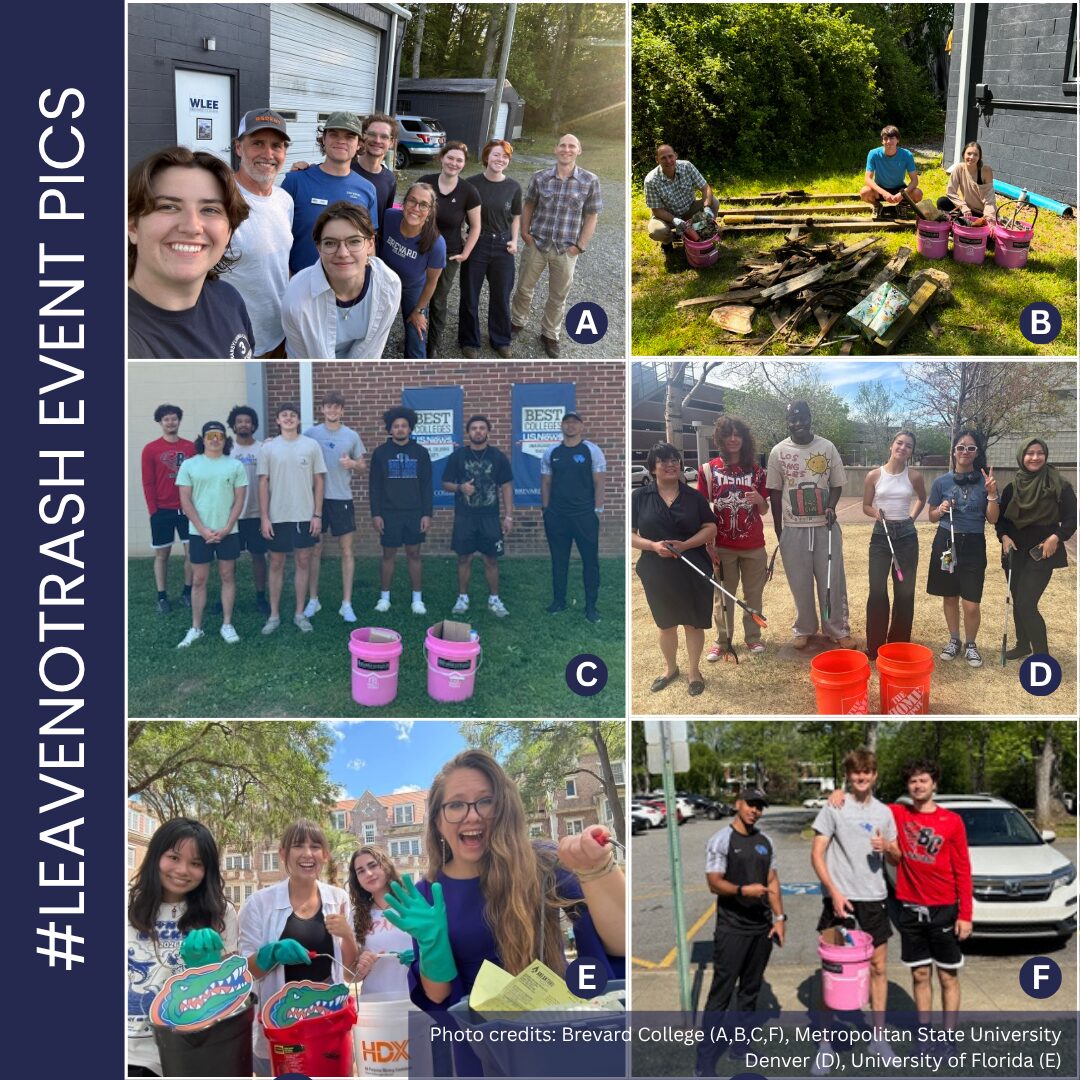
Beyond the numbers, the Challenge showed the power of student leadership. Teams organized cleanups, documented local conditions, shared photos, and contributed data that can support larger sustainability conversations. From Colorado to Florida to Burkina Faso, participants demonstrated that small, coordinated actions can add up quickly.
Want to get involved with next year’s challenge? Fill out this form to be notified.
Caroline Nickerson is the communications lead at CitSci, and Sarah Newman is CitSci’s Director of Operations. CitSci is a global platform, based at Colorado State University, where people around the world can start and manage their own participatory science projects. Elise Robinson is the Manager of Training and Programs at Leave No Trace.